
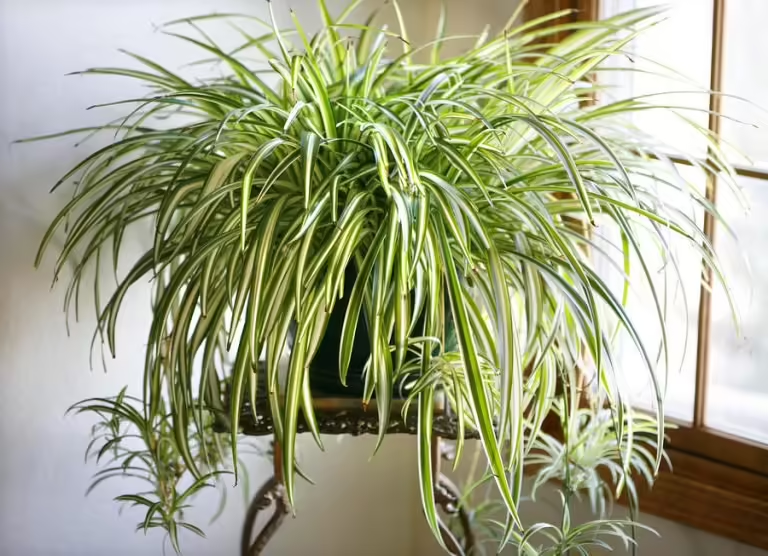
The Spider Plant: Chlorophytum Comosum – Nature’s Organic Air Purifier
Last Updated
- Overview of The Spider Plant as an Ornamental Plant
- Key Features
- How to Grow and Care for a Spider Plant
- Planting Calendars and Guides
- Benefits of the Spider Plant
- The Spider Plant in Different Cultures
- Can You Eat the Spider Plant? Edibility and Food Uses
- Medicinal Uses of The Spider Plant (Chlorophytum Comosum)
- Buy the Spider Plant Online
- More Plants with Amazing Properties
- Sweet Leaf Cultivation and Nutritional Facts
- Top End Gardens: Design and Creation
Overview of The Spider Plant as an Ornamental Plant
The spider plant adds energy and style to any indoor setting. Its long, arching leaves create a lively display, whether placed in a hanging basket or on a shelf. Many people choose spider plants for their ability to thrive in different conditions and their forgiving nature. With minimal care, this plant rewards you with fresh growth and vibrant colour.
You can introduce a spider plant to living rooms, offices, or kitchens with confidence. It copes well with indirect light and occasional lapses in watering. As a bonus, the spider plant helps clean the air by removing common indoor toxins.
Thanks to its elegant foliage and compact size, the spider plant suits modern and traditional décor alike. Moreover, its delicate white flowers appear throughout the year, adding extra charm. Altogether, the spider plant brings freshness and visual interest to any interior.
Key Features
Appearance
- Appearance:
The spider plant displays a graceful, arching shape with slender leaves that cascade from the centre. Its overall look is both lively and elegant. - Foliage:
Leaves are long, narrow, and typically green with white or yellow stripes. The foliage grows in dense clusters, creating a lush effect.
How to Grow and Care for a Spider Plant
Light Requirements
- Prefers bright, indirect sunlight.
- Tolerates lower light but growth may slow.
- Avoid direct midday sun to prevent leaf scorch.
Soil and Watering
- Thrives in well-draining potting mix.
- Water when the top inch of soil feels dry.
- Avoid soggy soil to prevent root rot.
Temperature
- Ideal range is 18°C to 24°C (64°F to 75°F).
- Can tolerate occasional drops, but dislikes frost.
- Keep away from cold drafts and sudden temperature changes.
Fertilisation
- Feed with a balanced liquid fertiliser every month during spring and summer.
- Reduce feeding in autumn and winter.
- Avoid overfertilising to prevent leaf tip burn.
Common Issues
- Brown leaf tips may result from fluoride in water or overfertilising.
- Yellowing leaves can indicate overwatering.
- Watch for pests like spider mites and aphids.
Propagation
- Easily propagated from plantlets that form on long stems.
- Detach plantlets and place them in water or soil to root.
- Division of mature plants is also effective.
Spider plants are easy to grow and maintain. With the right care, they quickly adapt to most indoor environments and reward you with lush growth and new plantlets. Furthermore, regular attention to light, water, and feeding keeps your spider plant healthy and vibrant.
Planting Calendars and Guides
Give your Spider plants the best start in life by correctly choosing the optimal times for seasonal propagation and planting.
Gardening Calendars for Planning and Planting

Astrological Moon Calendar & Planting Guide
Benefits of the Spider Plant
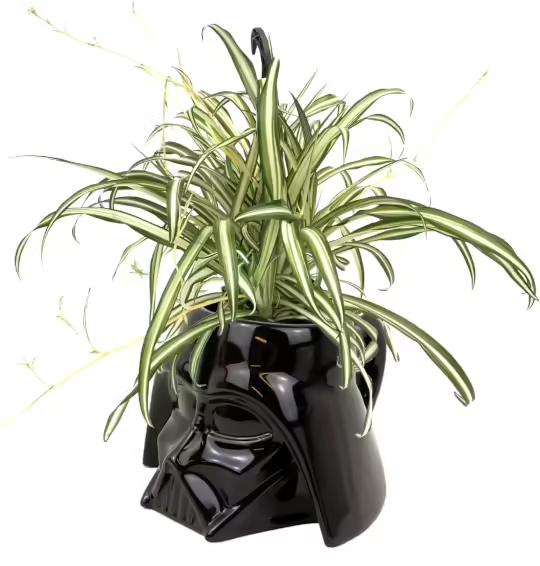
| Air Purification | Removes common indoor toxins such as formaldehyde and xylene. |
| Easy Maintenance | Requires minimal care and adapts to a range of conditions. |
| Pet Friendly | Non-toxic to cats and dogs, making it safe for homes with pets. |
| Decorative Appeal | Attractive foliage and cascading plantlets add style to any interior. |
| Stress Reduction | Greenery helps create a calming and relaxing environment. |
| Fast Growth | Produces new leaves and plantlets quickly for rapid visual impact. |
Spider plants provide a wide range of benefits for indoor spaces. Their air-cleaning qualities, simple care, and safe nature make them a top choice for many households. Additionally, with lush growth and striking appearance, spider plants offer both practical and decorative value.
The Spider Plant in Different Cultures
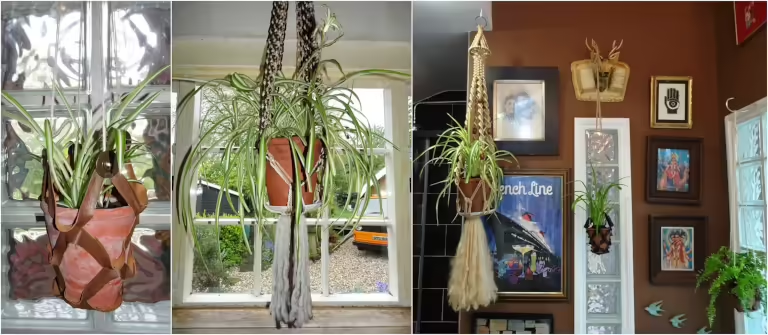
The spider plant’s appeal spans the globe, with many cultures valuing its beauty and symbolism. Its wide range of common names and positive associations make it a meaningful addition to homes and offices everywhere.
Common Names
- Often called spider plant, airplane plant, or ribbon plant.
- Known as Chlorophytum comosum in botanical terms.
- Referred to by different names in various regions and languages.
Cultural Significance
The Spider Plant holds different meanings and uses in various cultures:
- Popular in homes for its symbolism of renewal and growth.
- Considered a sign of good luck and prosperity in some cultures.
- Frequently given as a housewarming gift to promote a fresh start.
Can You Eat the Spider Plant? Edibility and Food Uses
Spider plants, scientifically known as Chlorophytum comosum, are commonly grown as houseplants. They are known for their long, arching leaves and ability to produce small plantlets. While primarily ornamental, some parts of the spider plant are considered edible.
Edible Parts
| Edible Parts | Uses | Nutrients |
|---|---|---|
| Leaves | The leaves of the spider plant are edible and can be consumed in small quantities. They have a mild flavour and can be added to salads or eaten raw. However, they may be slightly fibrous. | Phosphorus, Potassium Calcium Magnesium |
| Roots | In some cultures, particularly in parts of Africa and India, the roots of the spider plant are also consumed. They are typically cooked and may be used in stews. | Sodium Potassium Lipids Amino acids Antioxidants |
Caution
- Flower Stalks: The flower stalks of the spider plant are not edible and can be toxic. Consuming these parts may cause discomfort or a burning sensation.
- Toxicity: While the leaves and roots are generally safe to eat, spider plants are not a significant food source. They are also known to absorb toxins from the air, so caution is advised if grown in environments with chemical exposure.
Conclusion
Spider plants can be eaten, particularly their leaves and roots, but they are not commonly used as food. Always ensure that the plants are grown in a safe environment free from harmful chemicals before consumption.
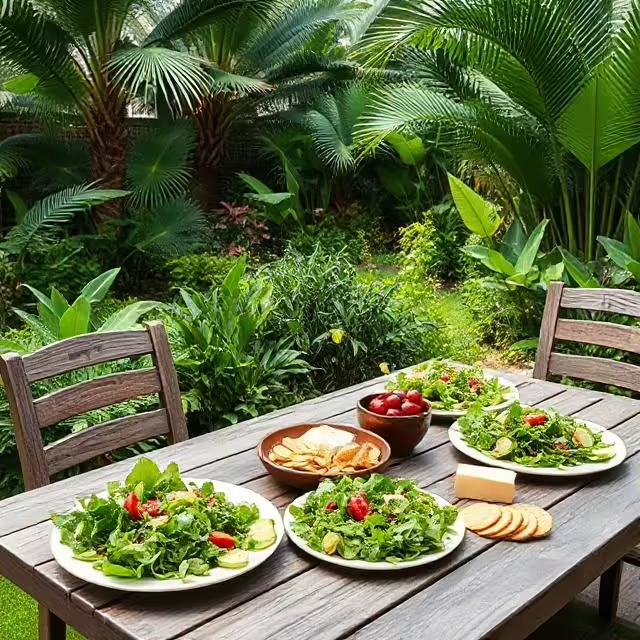
7 Best Edible Tropical Greens
Incorporating edible greens into one’s diet offers a plethora of health benefits. These greens are typically low in calories while being rich in essential vitamins, minerals, and antioxidants.
Medicinal Uses of The Spider Plant (Chlorophytum Comosum)
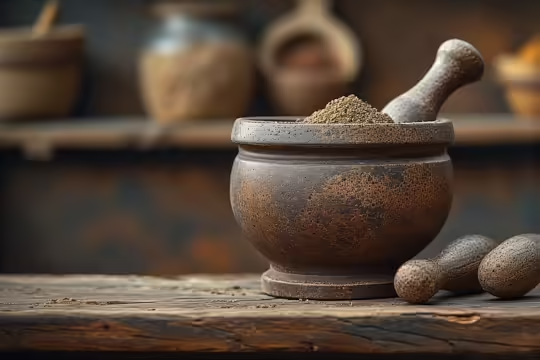
Overview
While the spider plant is valued for its air-purifying qualities and minor traditional uses, scientific support for its medicinal benefits remains limited. It is best enjoyed as a decorative and air-cleaning houseplant, with any health claims considered cautiously.
Traditional Medicinal Applications
- Used in some cultures to soothe minor burns and skin irritations.
- Sometimes applied as a natural remedy for coughs and colds.
- Believed to help promote wound healing in folk practices.
- In Chinese traditional medicine, it’s reputed to help cure bronchitis, burns, and bone fractures.
Health Benefits
- May help improve indoor air quality, supporting respiratory health.
- Contains antioxidants, which can help neutralise free radicals.
- Some studies suggest mild anti-inflammatory properties.
Caution

- Medicinal use should be approached with care and professional advice.
- Not recommended as a substitute for conventional medical treatments.
- Always consult a healthcare provider before using the spider plant therapeutically.
- The green leaves contain a compound similar to opium that may cause sickness and is hallucinogenic for cats.
Buy the Spider Plant Online
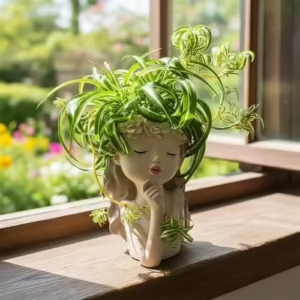
The Spider Plant: Nature’s Air Purifier
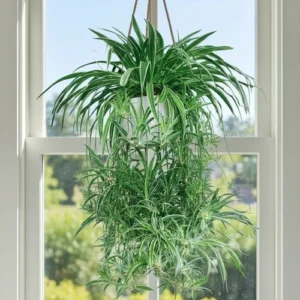
Easy Care Spider Plants

When you buy through the TopEndGardens.com website, you can take full advantage of eBay’s Great Benefits and Features, including WorldWide Free Shipping on many items and a 30 Day Money Back Guarantee (Ts & Cs apply).
More Plants with Amazing Properties
Sweet Leaf Cultivation and Nutritional Facts

Sweet Leaf: Phyllanthus Androgynus
Phyllanthus Androgynus, known as Katuk or Sweet Leaf, has a unique nutritional profile including anti-obesity properties, that grows Prolifically in Tropical and Sub-Tropical Gardens.

Edible Garden Cookbooks
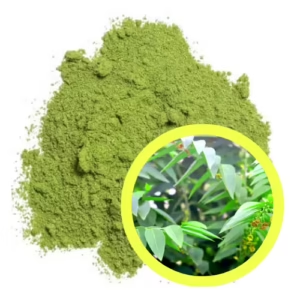
Katuk, Sweet Leaf Powder
Top End Gardens: Design and Creation
Top End Gardens have been designing and creating tropical gardens for over 20 years. Get in Touch to Find Out More.
Book an Appointment Now!
Free quotes for irrigation, gardening and landscaping projects are available upon request
Recipes for Edible Gardens

Don’t Miss Out These Great Deals From Our Ebay Partners!

Organic Moringa Extract Drops

Organic Hibiscus Flower Extract

Women’s Waterproof Gumboots

Stylish Women’s Gardening Gloves
2025 Anti-Obesity Berry Springs Irrigation Services Brazilian Spinach Controllers and Timers Coolalinga Irrigation Services N.T. Darwin Dry Season Edible Garden Gardening in Australia Girraween Irrigation Services N.T. Healthy Food Home and Garden Humpty Doo Irrigation Services Hunter Irrigation Hunter NODE Hunter X-Core Indonesian Food Installing Irrigation Controller Irrigation Controller Irrigation Installers Near Me Irrigation Repairs Irrigation Repairs Near Me Irrigation Services Near Me Irrigation Systems Irrigation Timer Irrigation Valves Irrigation Zones Irritrol Lawn Sprinklers Litchfield N.T. Livingstone Irrigation Services Moringa Oleifera Palmerston Roselle Sprinkler Timer Super Food Sweet Leaf Thai Food Traditional Medicine Tropical Vegan Food Vegetables Vegetarian Food Water Spinach
Comments