
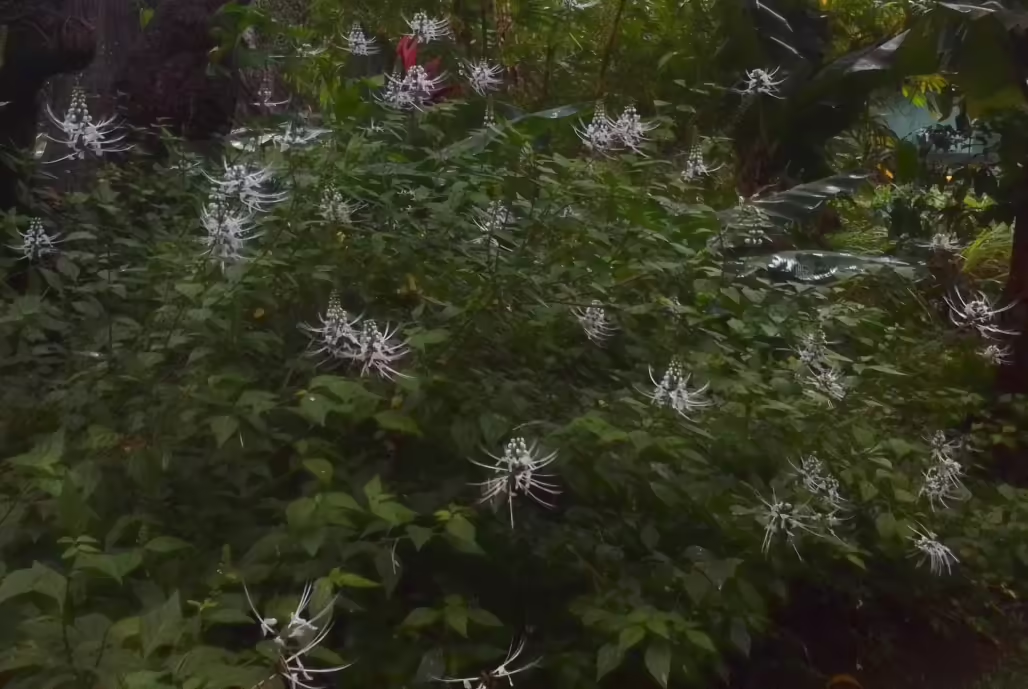
Java Tea or The Cat Whiskers Plant: Orthosiphon aristatus
Last Updated
- Overview of Java Tea as an Ornamental Plant
- Key Features
- How to Grow and Care for Orthosiphon aristatus
- Planting Calendars and Guides
- Benefits of the Java Tea
- Orthosiphon aristatus in Different Cultures
- Can You Eat Java Tea? Edibility and Food Uses
- Medicinal Uses of Cat Whiskers Plant Plant (Orthosiphon aristatus)
- Buy the Spider Plant Online
- More Plants with Amazing Properties
- Sweet Leaf Cultivation and Nutritional Facts
- Top End Gardens: Design and Creation
Overview of Java Tea as an Ornamental Plant
Java tea, known scientifically as Orthosiphon aristatus, is valued both for its striking appearance and its medicinal properties. Native to Southeast Asia, this plant thrives in tropical gardens, where its delicate white or purple flowers resemble cat’s whiskers. The foliage, lush and vibrant, adds a unique texture to garden beds and containers.
Not only does Java tea offer visual appeal, but it also attracts pollinators such as bees and butterflies. Because of its adaptability, gardeners often choose it for borders, mixed plantings, or as a feature in herb gardens. While it prefers warm, humid conditions, it can tolerate partial shade and occasional dry spells.
Furthermore, Java tea’s easy maintenance makes it a popular choice among both novice and experienced gardeners. Its resilient nature ensures that it remains healthy even with minimal care. Ultimately, Orthosiphon aristatus provides a blend of beauty and practicality for garden enthusiasts.
Key Features
- Appearance:
Java tea presents a bushy form with upright stems and delicate, whisker-like flowers. Its blooms, usually white or pale purple, add a subtle elegance to garden spaces. - Foliage:
Leaves are oval-shaped, slightly serrated, and deep green. The foliage grows densely, providing a rich backdrop that enhances the plant’s ornamental appeal. Additionally, the lush leaves help create a vibrant and healthy-looking environment.
How to Grow and Care for Orthosiphon aristatus
Light Requirements
- Java tea prefers bright, indirect sunlight for optimal growth and flowering.
- Although it can tolerate partial shade, too little light may reduce its bloom and leaf vibrancy.
- For best results, place it where morning sun is available but protect from harsh afternoon rays.
Soil and Watering
- Orthosiphon aristatus thrives in well-drained, fertile soil with plenty of organic matter.
- Water regularly to keep the soil moist, but avoid waterlogging as it can cause root rot.
- During dry periods, increase watering slightly to maintain healthy growth and lush foliage.
Temperature
- Java tea grows best in warm conditions, ideally between 18°C and 30°C.
- It is sensitive to frost, so protect the plant during colder months or bring it indoors if needed.
- Consistent warmth encourages strong growth and abundant flowering throughout the season.
Fertilisation
- Apply a balanced, slow-release fertiliser during the growing season to support robust foliage and flowering.
- Moreover, supplement with organic compost or liquid feed every few weeks for optimal results.
- Avoid over-fertilising, as excessive nutrients can lead to weak stems and reduced blooms.
Common Issues
- Java tea may suffer from leaf yellowing if overwatered or exposed to poor drainage.
- Pests such as aphids and spider mites occasionally appear but are usually manageable with gentle treatments.
- Fungal diseases can develop in humid conditions; ensure good airflow and avoid wetting the leaves.
Propagation
- Java tea is easily propagated from stem cuttings taken during the warmer months.
- Place cuttings in moist soil or water until roots develop, then transplant to their permanent spot.
- Alternatively, seeds can be sown in spring, though cuttings usually produce faster and more reliable results.
Planting Calendars and Guides
Give your Cat Whiskers plants the best start in life by correctly choosing the optimal times for seasonal propagation and planting.

Gardening Calendars for Planning and Planting

Astrological Moon Calendar & Planting Guide
Benefits of the Java Tea
| Medicinal Value | Leaves are traditionally used to support kidney health and reduce inflammation. |
| Easy Maintenance | Requires minimal care and adapts well to various garden conditions. |
| Pollinator Attraction | Flowers draw bees and butterflies, enhancing garden biodiversity. |
| Decorative Appeal | Elegant flowers and lush foliage provide visual interest in both indoor and outdoor settings. |
| Air Purification | Helps improve air quality by absorbing pollutants and releasing oxygen. |
| Fast Growth | Establishes quickly, offering rapid coverage and a vibrant look. |
Java tea (Orthosiphon aristatus) is valued for its medicinal properties, particularly in supporting kidney health and reducing inflammation. Its attractive flowers and foliage not only enhance garden aesthetics but also draw beneficial pollinators, improving biodiversity. Easy to maintain and fast-growing, Java tea adapts well to various conditions, making it a practical and appealing choice for many gardeners
Orthosiphon aristatus in Different Cultures
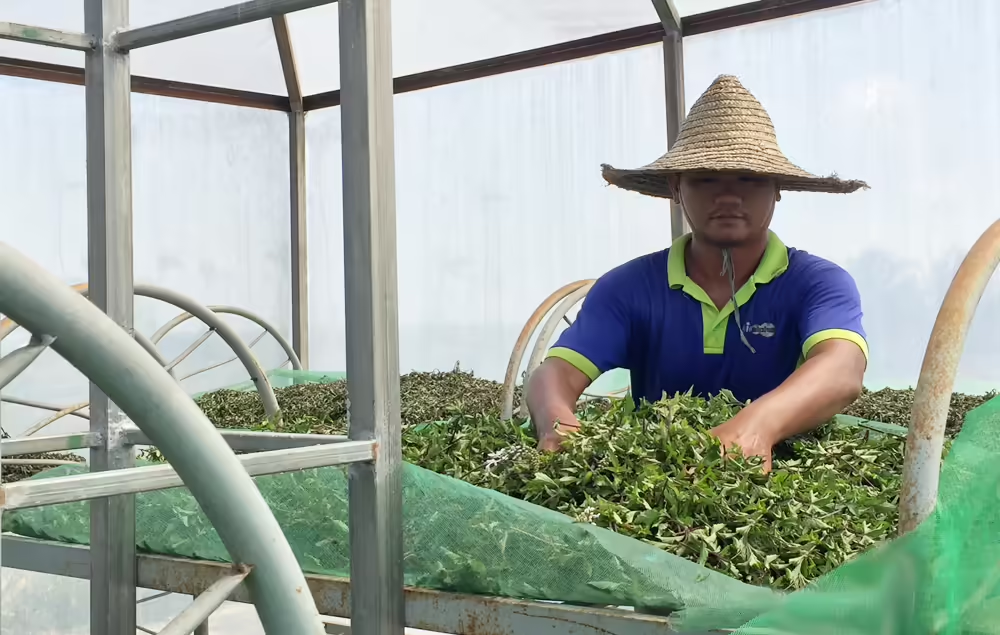
Java tea (Orthosiphon aristatus), also known as Cat Whiskers or Misai Kucing, is widely recognised and valued across different regions for its medicinal, culinary, and cultural significance. Its use and symbolism vary from Southeast Asia to Europe, reflecting diverse traditions and beliefs. Below, we explore how this plant is perceived and utilised in various cultures around the world.
Common Names
- Java Tea
- Cat Whiskers
- Misai Kucing (Malay/Indonesian)
- Kumis Kucing (Indonesian)
- Kidney Tea Plant
- Ortosifón (Spanish)
- Orthosiphon (European botanical usage)
- Balbas Pusa (Filipino)
Cultural Significance
- In Indonesia and Malaysia, Java tea is brewed as a herbal beverage and celebrated in daily rituals.
- The distinctive “cat whiskers” flowers are associated with good fortune and natural beauty in local folklore.
- Used in cultural ceremonies and as an ornamental plant in homes and gardens.
- Recognised for its symbolic value, representing vitality and positive energy across various cultures.
Can You Eat Java Tea? Edibility and Food Uses
Orthosiphon aristatus, commonly known as Java tea, is primarily consumed as a herbal infusion, but its edibility extends beyond traditional tea preparations. While the leaves are most often used for brewing, some cultures incorporate them into food recipes and salads. Understanding how Java tea is safely consumed highlights its versatility in both culinary and beverage contexts.
Edible Parts
| Edible Parts | Uses | Nutrients |
|---|---|---|
| Leaves | Brewed as herbal tea; sometimes added to salads or cooked dishes in small quantities. | Potassium, Calcium, Magnesium, Antioxidants |
| Flowers | Occasionally used as a garnish in salads and decorative food presentations. | Trace antioxidants |
| Stems | Rarely used; sometimes included in herbal infusions, but not commonly eaten. | Minimal nutritional value |
Caution
- Leaves: Generally safe when consumed in moderate amounts as tea or food. Excessive consumption may cause digestive discomfort in sensitive individuals.
- Flowers: No known risks, but not widely studied or consumed.
- Stems: Not commonly eaten; no specific cautions reported, but nutritional value is low.
Conclusion
Java tea (Orthosiphon aristatus) is primarily enjoyed as a herbal beverage, with its leaves also occasionally used in salads and cooked dishes. While the flowers and stems can be consumed in small quantities, they are not common in everyday diets and offer limited nutritional benefits. Overall, Java tea is considered safe to eat in moderation, but it is best known for its use as a tea rather than as a staple food.
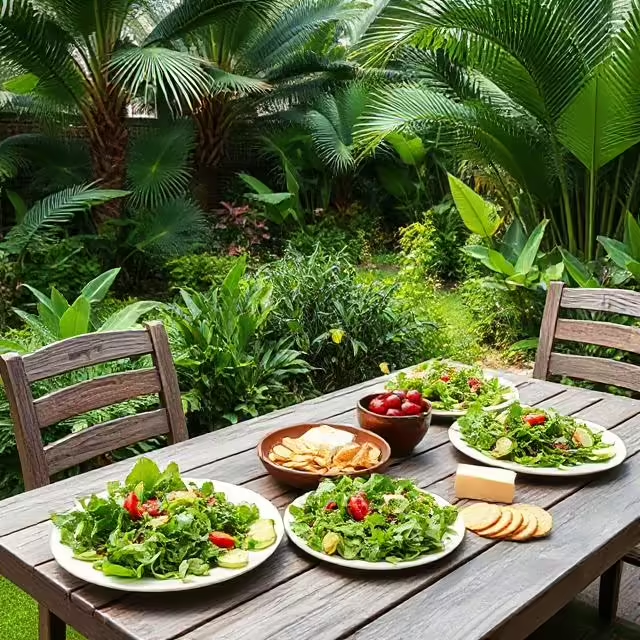
7 Best Edible Tropical Greens
Incorporating edible greens into one’s diet offers a plethora of health benefits. These greens are typically low in calories while being rich in essential vitamins, minerals, and antioxidants.
Medicinal Uses of Cat Whiskers Plant Plant (Orthosiphon aristatus)
Overview
Orthosiphon aristatus, commonly referred to as the Cat Whiskers plant or Java tea, has a longstanding reputation in traditional medicine across Southeast Asia and beyond. Its unique phytochemical profile has attracted attention for its potential therapeutic effects, especially in modern herbal practices. This section explores the specific medicinal applications of the plant, focusing on how it is used to support health and wellbeing.
Traditional Medicinal Applications
- Kidney and Urinary Support:
In Southeast Asia, Java tea is traditionally brewed to help maintain kidney health and support urinary function. It is believed to assist in cleansing the urinary tract and reducing water retention. - Relief for Swelling and Joint Discomfort:
Folk remedies often utilize the leaves to address mild swelling and joint pain, attributing anti-inflammatory effects to the plant. - Digestive Aid:
The plant has been used to soothe digestive issues, such as bloating or discomfort, often as a mild tea after meals. - General Wellness Rituals:
In some cultures, Java tea is consumed regularly as part of daily health routines, believed to promote vitality and balance.
Modern Medicinal Uses
- Antioxidant Support:
Rich in natural antioxidants, Orthosiphon aristatus may help protect cells from oxidative stress, supporting overall health. - Blood Sugar Regulation:
Emerging research suggests the plant may assist in maintaining healthy blood sugar levels, although more studies are needed to confirm its efficacy. - Mild Diuretic Effects:
The plant’s compounds can promote gentle diuresis, which may help with fluid balance and detoxification.
Preparation Methods
- Typically prepared as a dried leaf tea, either alone or blended with other herbs.
- Available as capsules, tinctures, or extracts in modern herbal medicine.
- Used in varying strengths depending on desired health effects.
Safety and Considerations
- Generally considered safe for most adults when consumed in moderation.
- Those with kidney issues or taking diuretic medications should consult a healthcare professional before use.
- Not recommended during pregnancy or breastfeeding due to insufficient safety data.
Summary
Orthosiphon aristatus has a rich history in traditional medicine and is increasingly recognised for its modern therapeutic potential. Its applications range from urinary and digestive support to antioxidant supplementation, making it a valued herbal remedy. Responsible use and professional guidance are advised, especially for those with underlying health conditions.
Buy Java Tea or The Cat Whiskers Plant: Orthosiphon aristatus Online
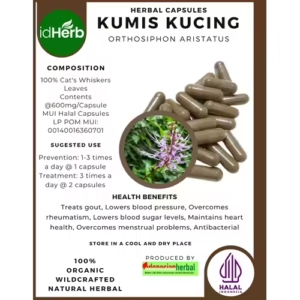
Java Tea Cat Whiskers Capsules
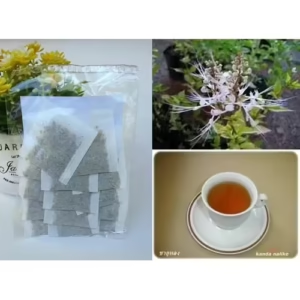
Java Tea (Orthosiphon aristatus) Sachets

When you buy through the TopEndGardens.com website, you can take full advantage of eBay’s Great Benefits and Features, including WorldWide Free Shipping on many items and a 30 Day Money Back Guarantee (Ts & Cs apply).
More Plants with Amazing Properties
Sweet Leaf Cultivation and Nutritional Facts
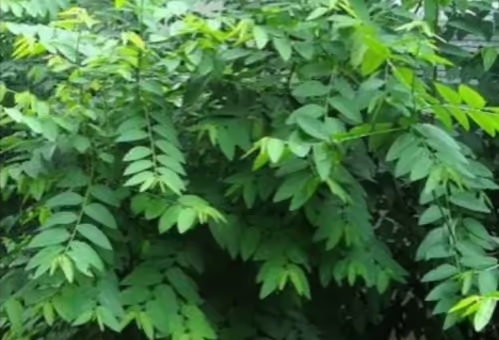
Sweet Leaf: Phyllanthus Androgynus
Phyllanthus Androgynus, known as Katuk or Sweet Leaf, has a unique nutritional profile including anti-obesity properties, that grows Prolifically in Tropical and Sub-Tropical Gardens.

Edible Garden Cookbooks
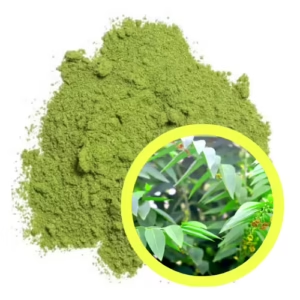
Katuk, Sweet Leaf Powder
Top End Gardens: Design and Creation
Top End Gardens have been designing and creating tropical gardens for over 20 years. Get in Touch to Find Out More.
Book an Appointment Now!
Free quotes for irrigation, gardening and landscaping projects are available upon request
Recipes for Edible Gardens

Don’t Miss Out These Great Deals From Our Ebay Partners!

Organic Moringa Extract Drops

Organic Hibiscus Flower Extract
Roselle – Hibiscus sabdariffa Seeds
Comments